
.png)
What to Expect When Hiring an Excavation Contractor in Beckley, WV
Hiring an excavation contractor can feel a little confusing if you have never done it before.
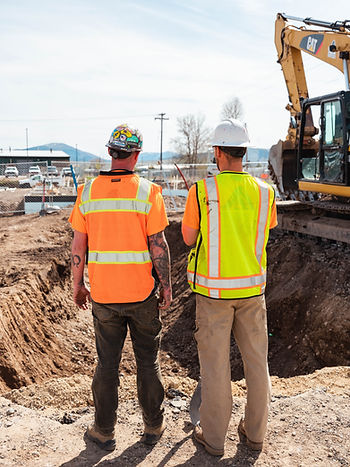
You may know something needs fixed or prepared, but you may not know exactly what to ask for. Maybe the driveway is washing out. Maybe you need a house pad, garage pad, septic work, drainage correction, grading, or a culvert replaced. Maybe you bought land and need to figure out what can actually be done with it.
That is normal. Most homeowners are not supposed to know all the dirt work terms before they call. A good excavation contractor should be able to look at the property, explain what is going on, and give you a practical plan.
Here in Beckley, Raleigh County, Glen Daniel, and surrounding Southern West Virginia areas, excavation is not always simple. A property might have slope, clay, rock, wet ground, old drainage paths, tight access, or utilities that need to be handled carefully. That is why the process matters.
We are Built Right Construction Inc., based in Glen Daniel and serving Beckley, Raleigh County, and nearby Southern WV communities. We handle excavation, grading, drainage, septic work, driveways, culverts, and site preparation. If you are getting ready to hire an excavation contractor, here is what you should expect from the first call to the finished job.
Start with the problem you are trying to solve
Before you worry about the exact service name, think about the problem.
A lot of homeowners call and say, “I need some digging done.” That may be true, but digging is only one part of the work. The better question is what the finished property needs to do.
Do you need water moved away from the house?
Do you need a driveway that stops washing out?
Do you need a stable area for a garage, home, or outbuilding?
Do you need a septic system installed or replaced?
Do you need a culvert that actually carries water?
Do you need rough land shaped so it can be used?
The answer changes the plan. Excavation for a septic system is different from cutting a driveway. Grading around a home is different from opening a drainage path. Preparing a pad on a hillside is different from fixing a soft spot.
When you call a contractor, explain what you are trying to accomplish, not just what you think needs dug.
The first conversation should be practical
A good first conversation should not feel like a sales pitch. It should feel like someone trying to understand the site.
Expect the contractor to ask questions like:
Where is the property located?
What problem are you seeing?
What do you want the finished area to be used for?
Is there equipment access?
Does the area stay wet?
Are there known utilities, septic lines, wells, or drains nearby?
Has anyone tried to fix the issue before?
Do you have photos or video from when it rains?
Those questions help narrow down what the site may need. If water is involved, photos during rain can be especially helpful. A dry yard does not always tell the full story.
A site visit is often where the real answer starts
For many excavation jobs, the contractor needs to see the property.
That is because dirt work depends on slope, access, soil, drainage, and layout. A description over the phone can help, but it usually cannot replace walking the site.
During a site visit, the contractor should look at:
Where equipment can enter
Where water comes from
Where water needs to go
How steep the property is
Whether the ground is soft or stable
Where material can be staged
Whether rock or clay may be an issue
How close the work is to the home, driveway, septic area, or property line
This is also your chance to explain the history of the property. If the same area washes out every storm, say so. If the yard stays wet long after rain, point it out. If an old line or drain is buried somewhere, mention it even if you are not exactly sure where it is.
You know the property better than anyone. That information helps the contractor avoid surprises.
Utility marking needs to be part of the plan
Any project that involves digging needs to take utilities seriously.
West Virginia 811 says homeowners and excavators should call 811 before digging, and WV law requires notification at least two business days before excavation begins. WV 811 also explains that homeowners can submit information for home excavation projects and that utility owners or their locating contractors mark proposed excavation areas so digging can be done more safely.
That covers public utilities, but rural properties often have private lines too.
Private lines can include:
Water lines from a well
Septic lines
Underground power to a garage or outbuilding
Old drainage pipe
Lines to sheds, pumps, lights, or exterior fixtures
Private lines are easy to forget until something gets hit. If you know or suspect something is buried in the work area, tell the contractor early.
A good contractor should talk about water
In Southern WV, water is almost always part of the job.
Even if you are hiring someone for excavation, the finished work still has to deal with runoff. If the grade sends water toward the house, the driveway, the septic area, or a neighbor’s property, the job is not finished correctly.
This is especially true around Beckley and Raleigh County because many properties have hills, ditches, older driveways, and fast runoff during hard rain. Beckley is the county seat of Raleigh County and part of Southern West Virginia, an area where local terrain often makes site drainage important for residential work.
A contractor should be thinking about:
Where water starts
Where it crosses the property
Where it should be directed
Whether a swale, ditch, culvert, or grading correction is needed
Whether the work will create a new drainage problem
Dirt work that ignores water usually does not hold up.
The quote should explain the scope
A good excavation quote should be clear enough that you understand what is included.
It should not just say “excavation work” with one number and no detail.
Depending on the job, the quote may explain:
What area will be excavated
What area will be graded
Whether material will be moved, reused, or hauled away
Whether stone, pipe, culvert, or other materials are included
Whether drainage work is part of the scope
Whether finish grading is included
Whether cleanup is included
Whether permits or inspections are involved
Whether additional work may be needed if rock, soft soil, or buried issues are found
This matters because two quotes can look different for a reason. One may include drainage and finish grading. Another may only include rough digging. One may include hauling material off site. Another may leave it on the property.
You want to compare the actual scope, not just the final number.
Ask what could change the price
No homeowner likes surprises. Some excavation surprises cannot be fully known until the work begins, but a good contractor should explain what could affect the price.
Common things that can change the scope include:
Rock
Wet ground
Poor access
Buried debris
Bad soil that needs removed
More material than expected
Hidden drainage problems
Old utilities or private lines
Decking or structure issues on related projects
Permit or inspection requirements
That does not mean every job will change. It just means you should know what the possible variables are before equipment shows up.
What homeowners should do before work starts
There are a few simple things you can do to help the job go smoother.
Clear access for equipment.
Move vehicles, trailers, lawn furniture, firewood, toys, and anything else near the work area.
Secure pets and keep children away from the work zone.
Point out known utilities, wells, septic components, drains, and private lines.
Take photos of the area before work begins.
Make sure gates are unlocked if equipment needs to pass through.
Talk through where dug material will go.
Ask how water will move after the job is finished.
These steps sound small, but they help avoid delays.
What not to do when hiring an excavation contractor
Do not hire based on price alone.
Do not assume every quote includes the same work.
Do not let someone dig without discussing utilities.
Do not ignore drainage just because the main job is excavation.
Do not wait until equipment is on site to decide where material should go.
Do not assume the contractor knows about old private lines unless you tell them.
Do not expect a lasting driveway, pad, or yard fix if water is not controlled.
The goal is not just to move dirt. The goal is to make the property function better.
Common excavation projects around Beckley, WV
Homeowners in Beckley, Glen Daniel, Raleigh County, and nearby Southern WV areas often call for excavation when they need:
Driveway installation or repair
Driveway widening
Culvert replacement
Ditch work
Drainage correction
House pad preparation
Garage or outbuilding pad preparation
Septic system installation
Septic replacement work
Utility trenching
Rough grading
Final grading
Site clearing
Soft soil removal
Erosion repair
Each project has its own details, but the process usually comes back to the same things: access, utilities, water, soil, slope, and a clean finish.
Pricing factors for excavation work in Beckley and Southern WV
Excavation pricing depends on the property and the work being done.
Common cost factors include:
Size of the work area
Depth of excavation
Amount of material being moved
Rock, clay, or wet soil
Equipment access
Slope of the property
Need for hauling material in or out
Need for stone, pipe, culvert, or drainage materials
Grading and finish work
Permit or inspection requirements
Cleanup and restoration
A small grading correction may be simple. A hillside driveway with drainage problems and a culvert may take more planning, more material, and more time.
The best value is the contractor who fixes the actual problem, not just the visible symptom.
Timeline: how long does excavation take?
Some smaller excavation jobs can be completed quickly once utilities are marked, access is clear, and weather cooperates.
Other jobs take longer because they involve multiple steps. Septic work, drainage corrections, house pads, driveway construction, culverts, and wet ground can all affect timing.
The timeline may depend on:
Utility marking
Weather
Ground conditions
Material delivery
Equipment access
Inspections
Rock or difficult digging
Drainage details
Finish grading and cleanup
It is better to have the job done correctly than rushed. A fast job that ignores water, compaction, or finish grade can create more work later.
What to expect when Built Right handles excavation
When Built Right looks at an excavation project, we try to keep the process simple and clear.
We listen to what you are trying to fix or build. We walk the site and look at access, slope, drainage, soil, utilities, and the finished goal. Then we explain what needs done and why.
Sometimes the job is straightforward. Sometimes the property needs excavation, grading, drainage, and site prep together. Either way, we want you to understand the plan before the work starts.
We are not just trying to dig a hole and leave. We want the property to drain better, function better, and be ready for the next step.
FAQ: Hiring an excavation contractor in Beckley, WV
What should I ask an excavation contractor before hiring them?
Ask what is included in the scope, how utilities will be handled, how drainage will be managed, what could change the price, and what the finished area should look like when the job is done.
Do I need to call 811 before excavation in West Virginia?
West Virginia 811 says state law requires notification at least two business days before excavation begins. This helps utility owners mark underground facilities before digging.
Can an excavation contractor help with drainage?
Yes. Many excavation jobs involve drainage because moving dirt changes how water travels. A contractor should look at where water comes from and where it needs to go.
How do I know if I need excavation or grading?
If the job involves digging, removing, trenching, or cutting into the ground, excavation is likely needed. If the main issue is surface shape, water flow, or creating a usable finish, grading may be needed. Many jobs need both.
Why do excavation quotes vary so much?
Quotes vary because the scope may be different. One quote may include hauling, grading, drainage, stone, cleanup, or culvert work while another only includes basic digging.
Can excavation be done on wet ground?
Sometimes, but wet ground can slow the job and cause ruts or access problems. In some cases, waiting for better conditions protects the property and improves the finished result.
What should I do before equipment arrives?
Clear access, move vehicles and loose items, secure pets, point out known buried lines, and make sure the contractor understands your goals for the finished area.
Does Built Right handle excavation near Beckley, WV?
Yes. Built Right Construction Inc. is based in Glen Daniel and serves Beckley, Raleigh County, and nearby Southern West Virginia communities with excavation, grading, drainage, septic, driveway, and site prep work.
Need an excavation contractor near Beckley, WV?
If you need excavation, grading, drainage work, septic work, driveway work, culvert replacement, or site preparation in Beckley, Raleigh County, Glen Daniel, or nearby Southern West Virginia areas, Built Right Construction Inc. can help.
Reach out for a straightforward site review, a clear plan, and excavation work that is done with the whole property in mind.


